
How Portsmouth’s South End Inspired a Fairy-House Tradition
The Portsmouth South End fairy houses once gave families a new way to look at familiar gardens and historic streets. Children searched among leaves and roots for structures small enough to belong to imaginary neighbors. Artists and volunteers helped turn that idea into a community tradition. Today, we remember those gatherings as part of Portsmouth’s local story. The Friends of the South End have announced that the Fairy House Tour has come to a close; there is no 2026 event to attend. The places that shaped our memories, however, still tell us why the tradition felt at home here.
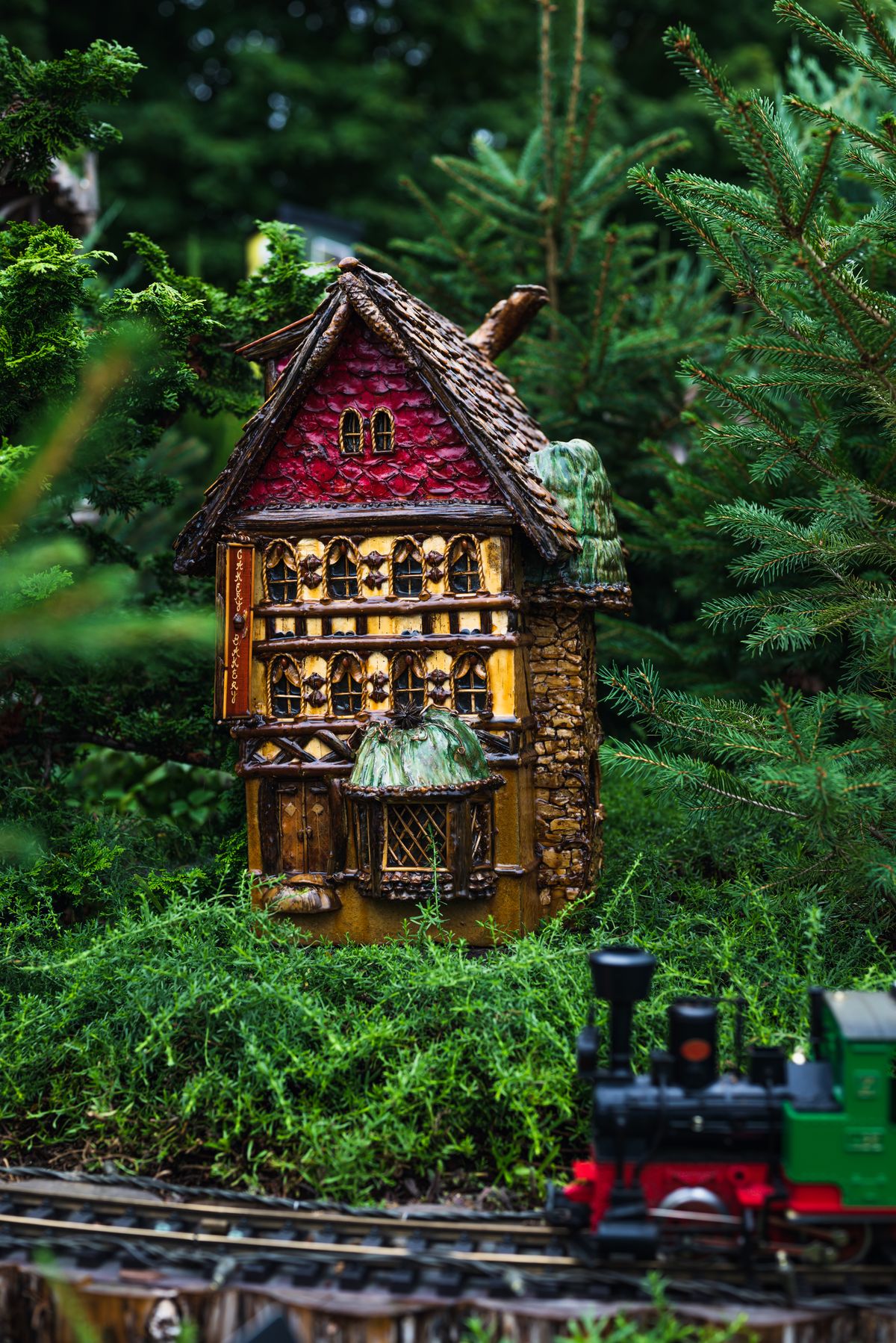
The South End brings together older houses, garden walls, planted grounds and streets that have long carried the neighborhood’s history. A fairy house asks visitors to notice details at a different scale: a curve in a twig, a patch of moss, the space beneath a leaf. In a historic setting, those ordinary materials offered a gentle way for younger visitors to take an interest in their surroundings.
Our builders worked with small homes made from natural materials. Sticks, bark, pebbles, shells and fallen foliage could suggest roofs, paths and miniature doors. The craft gave children room to improvise while treating the natural setting with care. It also helped connect a family activity with the neighborhood stewardship that Friends of the South End has long encouraged.
Two details help keep that tradition in focus. Look for both the craft and the setting:
- The house shows a child’s choice of materials and proportions.
- The surrounding garden shows why visitors noticed it there.
Past installations were temporary displays, and old notices cannot promise that fairy houses remain on view. We can remember each setting while respecting its present use.
Three places that helped shape the experience
Each location contributed something different to the Fairy House Tour. These are historical portraits, with access to the properties managed independently of our former event:
| Place | What it contributed | What to verify today |
|---|---|---|
| Governor John Langdon House | Historic house grounds and gardens gave handmade dwellings a distinctive setting. | Museum opening details and permission for any activities on the grounds. |
| Strawbery Banke | A group of preserved buildings and outdoor spaces connected the craft to Portsmouth’s layered neighborhood history. | Current museum admission, programming and grounds access. |
| Prescott Park and Marcy Street | Waterfront gardens and a familiar South End public setting formed part of earlier tour memories. | Present park rules and whether any historical installation is still there. |
Governor John Langdon House at 143 Pleasant Street is a historic property operated by Historic New England. Its garden setting provided a memorable contrast between large-scale eighteenth-century architecture and hand-built fairy homes. For families, the same visit could prompt interest in both a small structure and the much older building beyond it.
At Strawbery Banke, the fairy houses were encountered amid a museum landscape shaped by Portsmouth history. Prescott Park offered another recognizable South End setting in past editions. Those connections are part of the record even though the 2025 event focused its exhibits on the Langdon House and Strawbery Banke grounds. Visiting any of these places now means following that site's own current arrangements.
A commemorative sculpture gives the former tour a visible place in Portsmouth’s public-art story. Friends of the South End commissioned it for the twentieth anniversary in 2024, and the city accepted the donation in 2025. Portsmouth scheduled the city’s Fairy House Sculpture dedication for July 8, 2026, in the garden between The Players’ Ring and the Prescott Park Formal Gardens at 105 Marcy Street.
New Hampshire artist Alex Bieniecki carved the work on site. The city identifies the piece with the tour and its long-running commitment to children’s creativity. Unlike the tiny houses displayed for individual events, this sculpture was planned as a public remembrance. Anyone considering a visit should still check current site conditions rather than assume an earlier ceremony notice supplies opening hours or guarantees access.
A sculpture also changes how the tradition is remembered. An event map told families where to go on a particular weekend; a lasting piece of art invites them to think about the people who built, organized and cared for those weekends over time.
You can carry a little of the fairy-house tradition into a private craft afternoon without staging an unofficial exhibit in a historic garden. A useful starting point is to let the materials determine the design. The following small choices protect both the setting and the enjoyment of the activity:
- Collect only fallen or otherwise permitted materials; leave living plants and wildlife undisturbed.
- Build on a tray or scrap board at home so tiny pieces can be gathered afterward.
- Ask the child to design one practical detail, such as a doorway or a path, before decorating.
- Photograph the finished house and record the maker and date for your family album.
A child might choose a flat stone for a doorstep or a curved piece of bark for a roof. There is no requirement to copy an installation from a past tour. The pleasure comes from noticing possibilities in simple objects and explaining the choices to someone else.
The neighborhood connection extended beyond the houses themselves. Volunteers, artists, families and participating organizations turned individual creations into an occasion that people could share. Those collective efforts are why Portsmouth South End fairy houses belong in a conversation about community heritage, as well as children's art.
We hope families remember the historic places with care, keep making things together and respect the communities that welcome visitors today. Our annual event has ended, but the patience, curiosity and kindness behind the miniature houses can continue wherever families choose to create.